




Periodontology
Periodontology
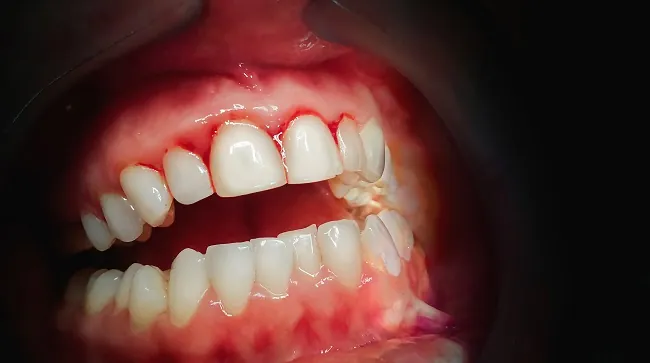
Gum inflammation, gingivitis, is manifested with tender gums and slight bleeding while brushing. The infection is caused by bacteria found in plaque and calculus deposits on teeth. If the infection is not controlled it progresses into a more server form, periodontitis, which has more severe symptoms such as painful red gums, gums that bleed, bad breath, loose teeth which eventually lead to tooth loss. With a proper diagnosis, individual approach to treating gingivitis and periodontitis, as well as patient education, the inflammation and disease can be controlled and your teeth can be preserved for a longer time.
Our services:
- Genetic and microbiological testing for periodontal disease
- Initial periodontal treatment
- Treatment and maintenance plan
- Photodynamic treatment of periodontal disease
- Periodontal surgery
- Plan for maintaining achieved results, patient education and home care advice.
HELBO PHOTODYNAMIC THERAPY FOR TREATING PERIODONTAL DISEASE
Photodynamic therapy is an alternative method for treating periodontal disease. It works in such a way that a photosensitive fluid is applied into the periodontal area which is activated using a light source of a specific wave length, destroying pathogenic bacteria and bacteria infected cells which cause periodontal disease. As in classic treatment methods, regular recalls and professional cleanings are important in order to maintain the achieved results.
Peri-implant mucositis and peri-implantitis
Peri-implant mucositis and peri-implantitis is a plaque-related disease that occurs in people with implants
Symptoms: Redness, bleeding, swelling or suppuration..
Although implants are the best way to replace a lost tooth, despite their great advantages, implant placement also has its contraindications because each person has their own specifics regarding the immune system and thus defense capabilities.
A complication after implant placement is possible peri-implant mucositis, i.e. inflammation of the soft tissues, which is assumed to be a precursor to peri-implantitis, i.e. inflammation of the bone structure around the implanted implant, in the case of neglected regular maintenance, a history of periodontal disease, smoking and poor oral hygiene.
The disease differs only in its progression from periodontitis, so regular check-ups every few months are necessary to prevent the onset of inflammation.
More about gum inflammation
According to the World Dental Association, more than 80% of the population suffers from caries and gingivitis.
Scientific research in the last decade has proven that caries and periodontitis are infectious diseases.
Unfortunately, 95% of adults still suffer from various types of gingivitis and already at the age of 40 lose more teeth due to gingivitis than to caries.
Thanks to the renaissance in science, the pathogenic bacteria that cause the disease have finally been verified.
Gingivitis
Few people have not noticed mild bleeding from the gums, swelling or redness. The development of gingivitis depends on the threshold of plaque accumulation, dry mouth that reduces the flow of saliva and thus the washing away of biofilm. The development is also influenced by smoking, metabolic diseases (diabetes) and diet, vitamin C deficiency and some medications. Clinical symptoms are redness, swelling, bleeding gums. It is caused by the accumulation of dental plaque (biofilm). The causative agents are found in dental plaque and tartar on tooth surfaces. It can also occur due to hormonal changes or taking certain medications at any age. The main risk factor is necessary for periodontitis.
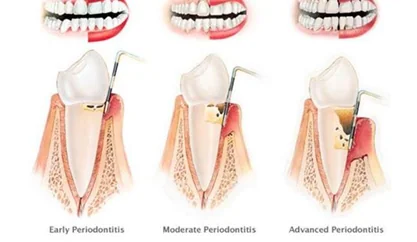
Urgent therapy is essential to prevent the inflammation from affecting deeper parts of the supporting tissue of the teeth, with bone damage periodontitis, a chronic multifactorial inflammatory disease associated with biofilm characterized by the destruction of the supporting apparatus of the tooth, loss of tooth attachment and radiologically determined loss of alveolar bone. If gingivitis is not controlled, the depths of the pockets are more than 3 mm and a more severe form of the disease called periodontitis can occur.
With a good diagnosis, an individual approach to the treatment of gingivitis and periodontitis, and patient education and counseling for maintenance, inflammation and disease can be controlled and teeth can be preserved as long as possible.
More about periodontitis
Bacterial plaque is undoubtedly the cause of gingivitis, and we have learned that out of three hundred specific bacteria in the mouth, only a few of them, individually or in combinations, are responsible for the destruction of periodontal tissue with the influence of congenital (race, gender, genetic diseases), acquired (poor hygiene, age, medications, smoking, stress, inflammatory and immunological diseases):
A: Actinomycetemcomintas
P.gingivalis
B.Forsythus
P.Intermedia
These associated or individually or in pairs ANAEROBIC BACTERIA are responsible for the development of periodontal inflammation. and the results of the diagnostic test provide reliable instructions for therapy and prevention.
