




Enemies of your teeth
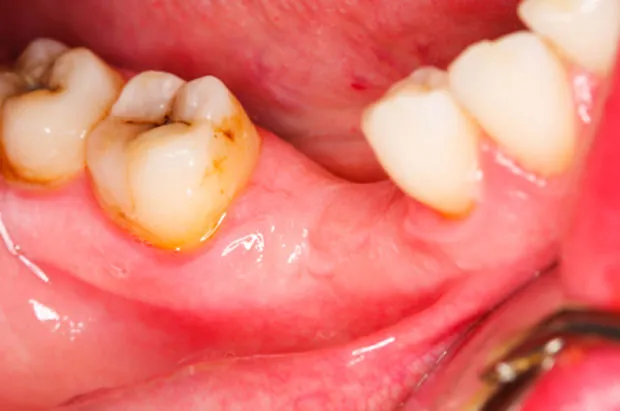
Deposits on teeth (dental plaque)
The term dental plaque is accepted worldwide and refers to more or less pronounced deposits on teeth that remain after eating.
If these deposits are not removed with proper hygiene measures, they become thicker and thicker, and the deposition of mineral salts from saliva into plaque gradually creates solid deposits of tartar that surround the teeth, filling the spaces between them.
These deposits create a constant feeling of dirt in the mouth, causing a bad appearance and unpleasant breath. Dental plaque contains various microorganisms, especially streptococci and lactobacilli. They multiply rapidly in the warm and moist oral cavity and produce acids, damaging the enamel, creating white spots on it. This is the beginning of dental caries, which, if not prevented, spreads rapidly, destroying the structure of the teeth.
Tooth decay (dental decay)
The resistance of teeth to decay depends on a number of factors. Heredity is very important, determining the size and shape of the teeth and their correct relationship and relationship to the jaw. The degree of strength of the teeth is determined by mineralization and also contributes to the resistance of teeth to decay.
Dental health is also affected by numerous external factors, such as: diet and variety, water content, hygiene habits, etc. The sum of some or all of the listed factors provides the answer to the question of why some people are more likely to suffer from caries, while other people’s mouths are almost immune to this disease.
Superficial dental enamel caries
Enamel caries is generally painless and difficult to notice. However, by carefully observing the enamel, you will notice a black dot or a deep chalky stain in the enamel. Your dentist will also confirm this during a regular check-up. In this initial phase of the disease, repair is not painful and takes a short time.
Deeper damage, dentin caries
If we ignore a small black dot or whitish spot on a tooth and skip regular check-ups, bacteria from leftover food can enter the resulting hole, causing enamel decay to spread to the dentin. This can lead to sensitivity to pain, cold, sweet, and hot.
Inflammation of the dental pulp – pulpitis
Inflammation of the dental pulp (dental nerve) is most often caused by untreated caries. Acute pulp inflammation is manifested by unbearable toothache. The pain most often occurs at night, but it can also occur in response to a stimulus at any time. This pain is usually so severe that it brings even the most timid to the dentist. Often, the patient cannot determine with certainty which tooth is hurting, and the pain spreads to the temple or ear area. The pain is so intense that it is often not relieved by common painkillers.
In a smaller number of people, due to their lower sensitivity and higher resistance of the body, these changes pass almost unnoticed and the disease turns from an acute form into a chronic one, which ends after the pulp dies off with the formation of a granuloma. A granuloma is seen on an X-ray as a dark spot around the tip of the tooth root, and is formed as a defensive reaction of the body to changes in the pulp.
If inflammatory changes affect all layers of the supporting structures of the tooth, then they can cause accumulations of pus, abscesses that break through the bone and periosteum, causing severe swelling and pain. And sometimes, having broken through all layers, including the mucous membrane, they open into the oral cavity in the form of a so-called fistula.
Keep in mind all the time:
- small caries are treated quickly, painlessly and inexpensively,
- deep caries makes treatment more difficult, prolonged and expensive.
Cooperation between doctor and patient is very important for dental treatment. Treatment can be complicated due to numerous risks, and sometimes the tooth needs to be extracted.
