




How the oral cavity is built
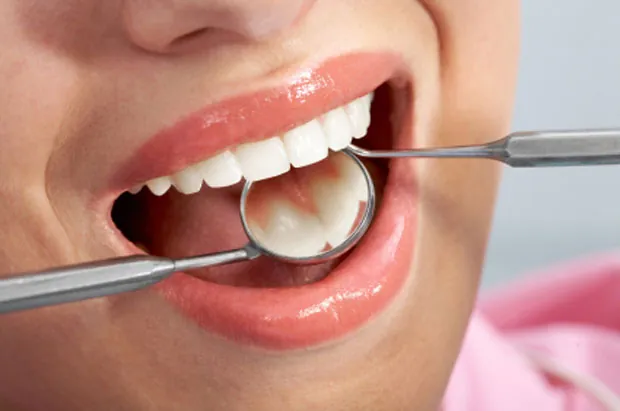
A healthy oral cavity is covered with mucous membrane, and the tongue lies at its bottom. In special bone compartments of the upper and lower jaws, teeth are embedded, surrounded by light pink gums (gingiva), which is partially attached to the bone base.
The oral cavity is bordered by the cheeks and lips towards the face, which, due to their thin epithelial covering and good blood supply, easily change color, so possible changes in the health of the organism can sometimes be manifested in a change in the color of the lips.
A healthy mucous membrane is moist, smooth and pink in color, and its main task is to protect the oral cavity from harmful influences.
Saliva
The salivary glands empty saliva into the oral cavity. Their secretions enable the mucous membrane to perform its main task: chewing and speaking. Its subtle sensations of heat, pressure and pain increase this ability. Digestion begins in the oral cavity with saliva. The pleasant feeling that the taste of food stimulates when chewing affects the increased work of the salivary glands. Thus, the moistened morsel in the mouth begins to be chemically digested thanks to amylase, which dissolves starch. For the proper course of this phase of digestion, chewing is necessary. However, chewing is impossible without healthy and complete teeth.
The acidity (pH) of saliva depends on dietary and hygiene habits and the type of oral flora in the mouth. An important task of saliva is also the regulation of water in the body. When we are thirsty, less saliva is secreted, which then has less acidity and vice versa. However, the amount of saliva depends on age and general health. A thirsty person has a dry mouth. A lack or deficiency of saliva causes diseases of the mucous membranes. Furthermore, saliva coats the mucous membrane with a thin layer of mucus, thus protecting it and making it smooth.
Saliva serves to rinse the oral cavity, and at the same time destroys bacteria and prevents their reproduction. Saliva contains immunoglobulin, which increases the resistance of the oral cavity. Bacteria and viruses are found in the saliva of a sick person, which can be a source of infection.
The property of saliva as a solvent is used in the application of some medications that are taken by dissolving under the tongue and thus entering the body (e.g. heart medication). However, in order to avoid causing unwanted consequences, you should follow your doctor’s instructions for each treatment.
