




Prosthetic replacements
Diagnostics and Therapy
Whoever loses a leg needs a prosthesis. Whoever loses a tooth needs a prosthesis. Therefore, treat and care for your teeth while you have them. Lost teeth must be replaced without fail.
What does the diagnosis and therapy for prosthetic replacement consist of?
- Complete preparation for prosthetic therapy (tooth extraction, fillings, treatment of teeth and periodontium).
- Diagnosis and initial treatment of disorders of the function of the chewing system (temporomandibular joint).
- Fillings (fillings) made of ceramic or gold, made in the laboratory.
- Crowns, bridges.
- Prostheses without clasps, combined works.
- Implants.
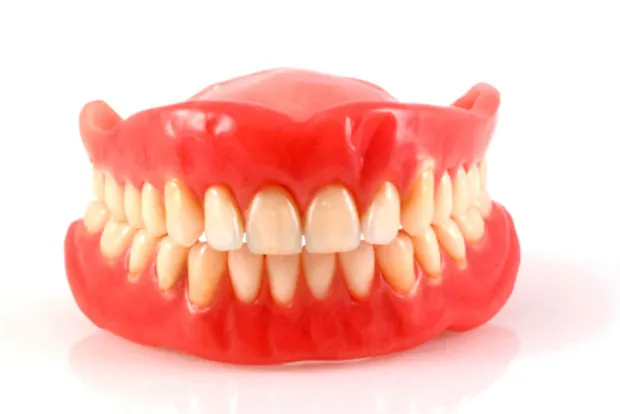
A complete prosthesis replaces the lack of all teeth, and the manufacture of the prosthesis depends on the anatomical structure of the jaw and is formed after tooth extraction.
A partial prosthesis replaces the lack of several teeth. It is made in cases where there is no possibility of making a bridge or if the patient decides on a cheaper replacement.
Dentures are made of acrylic or in combination with a metal skeleton (Wironit dentures).
With perfect casting technology, it is possible to make dentures “without clasps” that are anchored in an invisible way. This is essential when it comes to front teeth.
What is a crown?
A crown is a fixed prosthetic replacement that covers the crown of a tooth and leaves an exceptional aesthetic impression. The choice of material depends on the patient’s ability to pay. The patient can decide to make the replacements from cheaper materials to the most expensive and highest quality porcelain. Today, in accordance with the demands of aesthetics, the dental industry has advanced, so one-piece cast replacements, crowns or bridges are made to which the selected material is bonded. Acrylics, composite materials and porcelain (ceramics) can be bonded to gold alloy, palladium silver, and stainless steel, the most commonly used metals.
What is a bridge?
As the name suggests, a bridge is a structure that bridges a partially edentulous jaw, ranging from one to several teeth, depending on the arrangement of the brackets.
Before making any prosthetic replacement, your teeth must be healthy or healed. Even after making a prosthetic replacement (crown, bridge, denture) you should visit a dentist every six months.
Instructions for getting a new denture
Getting used to and dealing with a new denture requires a lot of time, patience and learning at first. Don’t get discouraged. Your doctor is always there for you. The better your cooperation, the faster you will accept your dentures and live happily with them. Dentures are always better and more beautiful than damaged teeth.
Dentures can be made so well that they are often unrecognizable, and it takes some time for your tongue, lips and cheeks to get used to the new dentures.
Your natural and relaxed facial expression will appear a few days after the fitting, if you feel relaxed and happy with your dentures.
At first, it is common to feel that your upper teeth protrude too much and that your lips are too pouty. Getting used to lower dentures requires more patience, as it takes longer.
Reading also speeds up the adaptation to eating, which also requires a little more exercise. This way, the muscles adapt to the new relationships. Start with small bites and some food that doesn’t stick. Eat slowly and chew with your molars, evenly left and right. Don’t bite off with your front teeth, but look for a place where you can bite off without lifting the denture. Unfortunately, denture wearers have the hardest time biting off.
When dentures are fitted, some areas are more exposed to pressure. Small, painful sores can develop in these areas. Contact your doctor, but continue to wear your dentures. The reddened area shows where your doctor will polish the area on your dentures.
Some patients have difficulty swallowing or have the urge to vomit after getting dentures. They often have an increased flow of saliva. In such cases, it is best to continue wearing your dentures, and the urge will become less frequent and will disappear after a while.
After each meal, clean your dentures with a special denture brush and paste, and then rinse them thoroughly with water. Don’t forget to clean your dentures, bridges, and your remaining teeth. By occasionally soaking your dentures in an effervescent denture cleaner, you will remove bacteria from them, making them comfortable and hygienic to wear.
Always wear your dentures, except when cleaning them. If your doctor advises you to take them out at night, be sure to keep them in a glass of water.
You should have your dentures and remaining teeth checked every six months. Your jaw changes over time, but your dentures don’t.
