




Tooth extraction and consequences
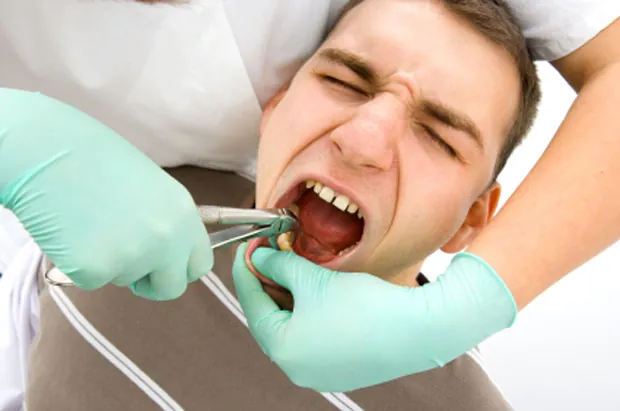
Why do we extract teeth
A tooth whose attachment system has been destroyed (very unstable) and a tooth that is severely damaged by caries, whose root cannot be used for prosthetic purposes, no longer has any function or value. Moreover, it represents a focus and breeding ground for disease, which can be a danger to the entire body. In such a case, the tooth should be extracted.
If you are swollen, you need to take an antibiotic prescribed by your doctor before the extraction.
Instructions after extraction
Remember – every tooth extraction is a minor surgical procedure. You can remove the tampon you were given half an hour after the tooth extraction. If you are still bleeding after that, contact your doctor.
A clot forms on the wound that you should not rinse, touch, or remove with your tongue. It is not advisable to eat or drink hot food after a tooth extraction.
If you notice a whitish deposit on the wound, do not remove it; this is a fibrin deposit that helps the wound heal.
If you feel pain, contact your doctor.
After the extraction, slight swelling and difficulty opening the mouth are possible.
Eat a mushy diet, after which rinse your mouth with chamomile, do not brush the wound, but maintain the hygiene of the other teeth, because a clean mouth speeds up healing.
Consequences of tooth extraction
After a tooth is extracted, the remaining teeth can move into the resulting space over time. They tilt, which disrupts the bite, as well as jaw movements. When several teeth are lost, the so-called underbite occurs, the wrinkles around the lips deepen, the face looks old, the patient has difficulty swallowing and helps himself with his tongue. If the front teeth are missing, speech problems may occur.
